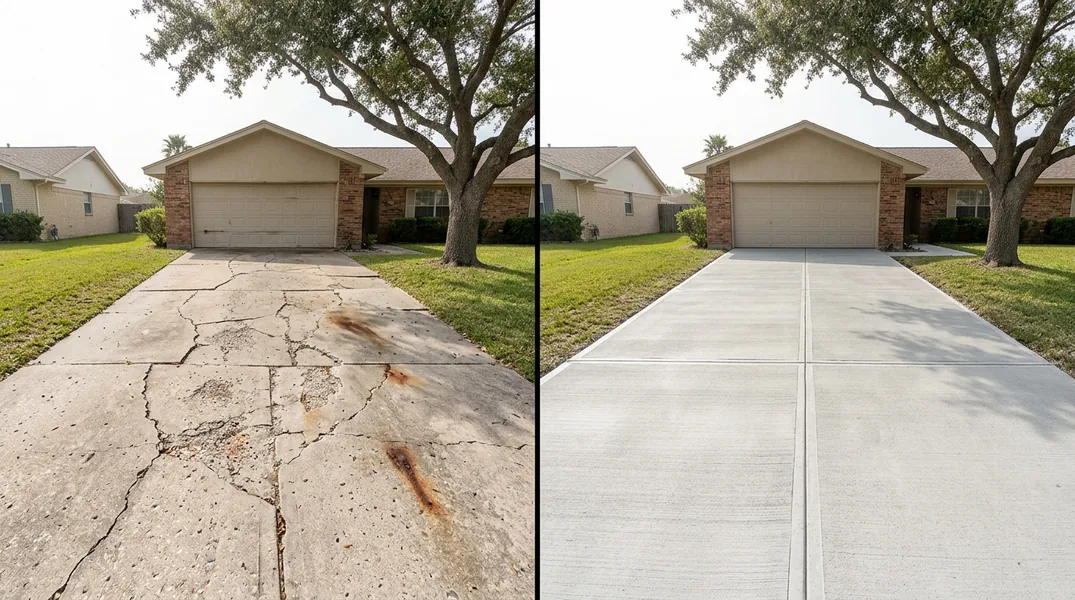
Why Timing Matters for Concrete Pouring in Corpus Christi
If you're planning a Concrete Driveways project in Corpus Christi, you might think that concrete can be poured any time of year. The reality is far more nuanced. The timing of your concrete pour directly impacts the quality, durability, and longevity of your finished surface. Weather conditions, temperature fluctuations, humidity levels, and wind speed all play critical roles in how your concrete cures and hardens.
The Corpus Christi area presents unique challenges for concrete contractors. Located on the Texas coast, this region experiences hot summers, mild winters, and significant wind exposure. These environmental factors can either accelerate or severely compromise the concrete curing process. Understanding the ideal concrete pouring season for your area ensures that your investment in Concrete Patios, driveways, or other concrete surfaces will last for decades rather than developing cracks and damage within a few years.
Understanding Concrete Curing Heat and Wind on the Texas Coast
Concrete curing is a chemical process that requires specific conditions to occur properly. When concrete is first poured, it contains water that must evaporate at a controlled rate while the cement hydrates. Too much heat causes rapid evaporation, which can lead to shrinkage cracks and a weakened surface layer. Conversely, temperatures that are too cold slow down the hydration process and can result in incomplete curing, leaving your concrete vulnerable to freeze-thaw damage and premature deterioration.
Wind is another critical factor that homeowners often overlook. Strong coastal winds accelerate water evaporation from the concrete surface, creating the same problems as excessive heat. This is particularly problematic in Corpus Christi, where Gulf breezes are common year-round. During the curing period, which typically lasts seven to twenty-eight days depending on conditions, uncontrolled evaporation can cause the surface to set too quickly while the interior remains soft. This differential curing creates internal stress that manifests as cracks and reduced structural integrity. Professional contractors understand how to manage these variables through proper timing, moisture control, and curing techniques tailored to local climate conditions.
Spring: The Ideal Season for Concrete Pouring in Corpus Christi
Spring, typically from mid-February through April, represents the optimal window for pouring concrete in Corpus Christi. During these months, daytime temperatures generally range from the mid-70s to low 80s Fahrenheit, which is ideal for concrete curing. The weather is warm enough to support proper hydration of the cement, yet not so hot that rapid evaporation becomes a problem. Spring also tends to bring more moderate wind conditions compared to other seasons, reducing the risk of accelerated surface drying.
Another advantage of spring pouring is the lower humidity levels combined with occasional rainfall, which can actually benefit the curing process. Light rain provides moisture that slows surface evaporation to optimal levels, allowing the concrete to cure evenly. Spring also gives homeowners the benefit of having their concrete work completed before the intense summer heat arrives. If you're planning a Stamped & Decorative Concrete project that requires precision finishing, spring weather provides the most forgiving conditions for skilled contractors to work efficiently and achieve superior results.
Summer Challenges: Why Late June Through August Is Risky
Summer in Corpus Christi brings extreme heat, high humidity, and intense sun exposure. While many homeowners assume that hot weather is good for concrete, the opposite is often true. Temperatures regularly exceed 90 degrees Fahrenheit, and the combination of heat and coastal wind creates an environment where concrete surfaces can dry far too quickly. This rapid evaporation causes the surface layer to set before the interior has fully cured, resulting in a weak bond between layers and a higher likelihood of cracking.
Additionally, summer thunderstorms are common along the Texas coast, and these sudden rain events can disrupt the curing process if they occur during the critical first week after pouring. Heavy rain can wash away the surface layer or introduce excess water that weakens the concrete. The high humidity, while seemingly beneficial, actually traps heat and can cause thermal stress in the concrete as it undergoes expansion and contraction cycles. If you must schedule concrete work during summer months, expect to pay premium pricing for specialized cooling techniques, extended curing times, and careful weather monitoring by your contractor.
Fall and Winter: Secondary Options for Concrete Pouring
Fall, from September through early November, can be a secondary option for concrete pouring in Corpus Christi. As temperatures begin to moderate from summer extremes, the conditions become more manageable. However, fall still carries risks due to occasional tropical storms and hurricane season activity. Wind speeds can become unpredictable, and the potential for heavy rain increases. If you choose to pour concrete in fall, work with a contractor who monitors weather forecasts closely and can adjust schedules as needed.
Winter in Corpus Christi is generally mild, with temperatures rarely dropping below freezing. This makes winter potentially viable for concrete work, unlike northern regions where freeze-thaw cycles cause serious problems. However, winter brings increased wind and occasional cold snaps that can slow curing. The shorter daylight hours also mean less time for contractors to work and monitor conditions. If you're considering winter concrete work, such as Concrete Repair & Resurfacing projects, discuss timing carefully with your contractor to ensure adequate curing time before spring rains arrive.
How to Schedule Your Concrete Project: Working With Local Contractors
The best approach to scheduling your concrete project is to consult with experienced local contractors who understand the specific challenges of pouring concrete on the Texas coast. Corpus Christi Concrete has years of experience managing projects through every season and knows exactly how to optimize timing and techniques for your specific needs. When you reach out for a free estimate, discuss the ideal timeline with your contractor and explain your project goals, whether you're building a new driveway, patio, or planning decorative concrete work.
Professional contractors can also recommend strategies for off-season pouring if your schedule requires it. These might include using specialized concrete mixes designed for hot weather, implementing protective curing blankets or moisture barriers, adjusting water-to-cement ratios, or scheduling work during cooler parts of the day. Some projects benefit from accelerated or retarded set times depending on conditions. By working with Corpus Christi Concrete at (361) 480-0793, you gain access to local expertise that ensures your concrete investment performs beautifully for years to come. Don't let uncertainty about timing prevent you from starting your project. Contact us today to discuss the best season for your concrete work and get a customized plan that accounts for Corpus Christi's unique coastal climate.
Looking for a professional concrete contractor in Corpus Christi? Corpus Christi Concrete responds fast for all your concrete needs.
Get a Free QuoteOur services: Concrete Driveways · Concrete Patios · Stamped & Decorative Concrete